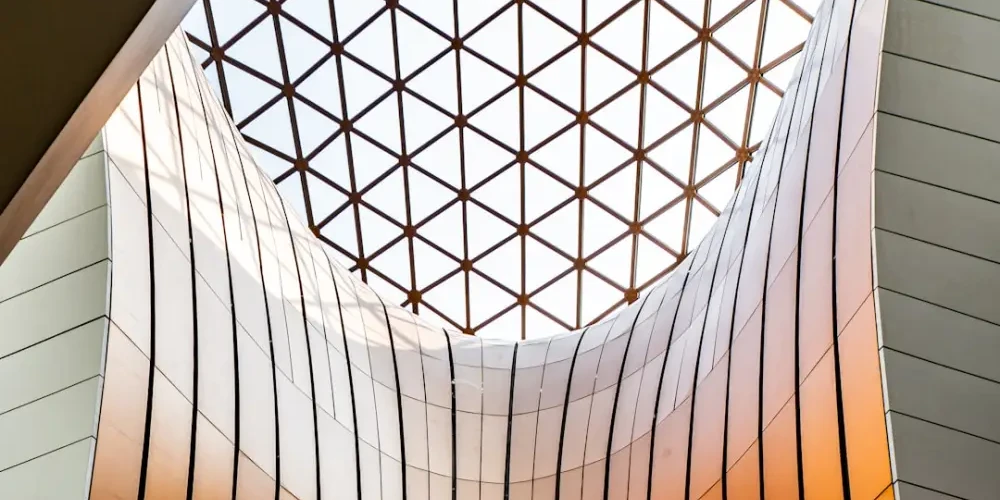
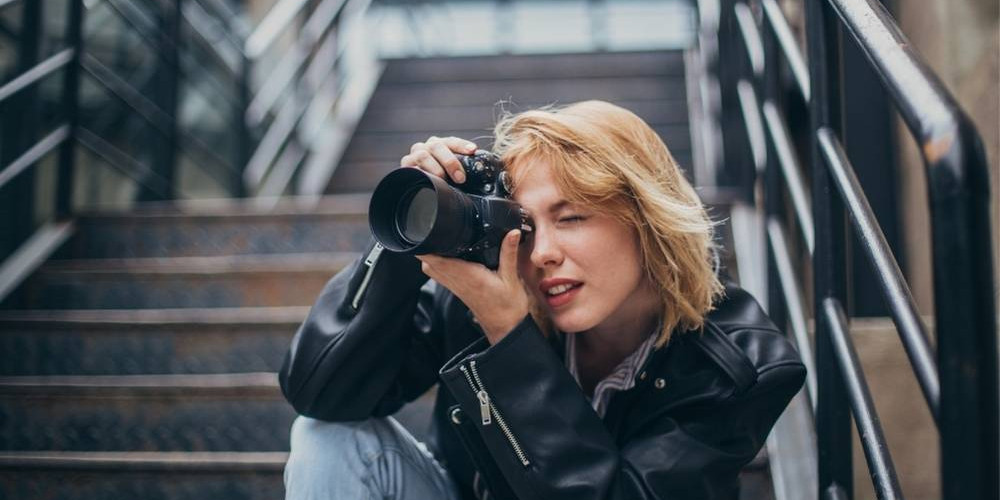
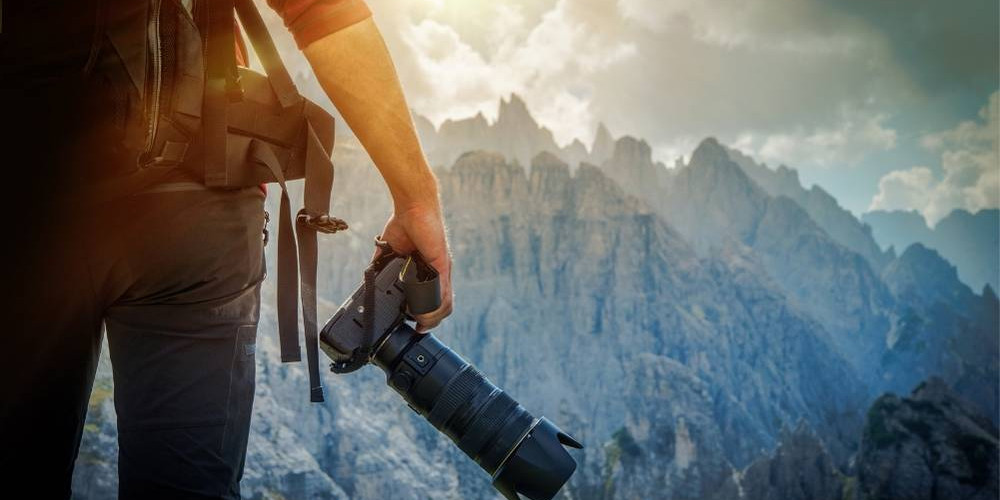
Ambient lighting is one of the most important concepts for beginner photographers. It refers to the natural or available light already present in a scene, such as sunlight, indoor lighting, or streetlights. Learning how to use ambient light effectively helps you capture more natural, atmospheric, and visually appealing photos without relying on complex lighting equipment.
This beginner’s guide explains how ambient lighting works and how you can start using it to improve your photography.
What Is Ambient Lighting?
Ambient lighting is the existing light in your environment. This may come from:
- Sunlight
- Window light
- Overcast skies
- Indoor lamps
- Streetlights
- Reflected light from surfaces
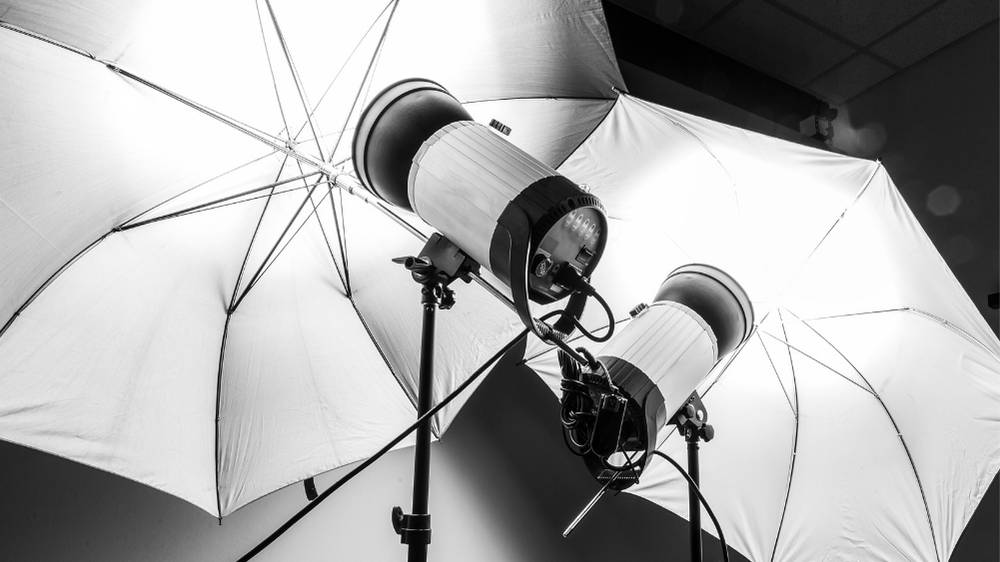
Unlike flash or studio lighting, ambient light is already present in the scene.
Why Ambient Lighting Matters
Using ambient lighting helps photographers:
- Create natural-looking photos
- Capture realistic colours
- Build mood and atmosphere
- Add depth to images
- Work without extra equipment
It’s one of the easiest ways to improve photography.
Types of Ambient Lighting
Understanding different types of ambient light helps beginners recognise good shooting conditions.
Natural Sunlight
Direct sunlight creates bright images with strong shadows. This works well for dramatic photography but may require careful exposure.
Soft Overcast Light
Cloudy conditions create diffused light with minimal shadows. This is ideal for portraits and evenly lit scenes.
Window Light
Indoor window light creates soft directional lighting. It’s great for portraits, products, and lifestyle photography.
Golden Hour Light
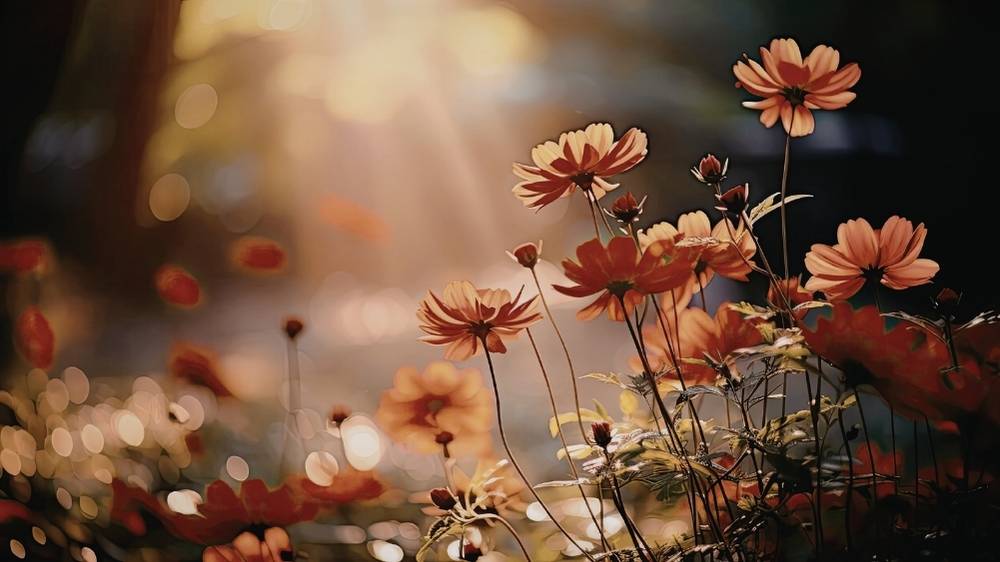
Golden hour provides warm, soft light shortly after sunrise or before sunset. This is one of the most flattering lighting conditions.
Blue Hour Light
Blue hour creates cool tones and atmospheric images. It works well for city and landscape photography.
How to Find Good Ambient Light
Beginners should start by observing light direction and quality.
Look for:
- Soft shadows
- Even lighting
- Warm or cool tones
- Light reflecting off surfaces
- Directional side lighting
Moving your subject slightly can improve lighting.
Understanding Light Direction
Light direction affects how your subject looks.
Front Lighting
- Even exposure
- Minimal shadows
- Clean and simple look
Side Lighting
- Adds depth and texture
- Creates shadows
- More dynamic results
Back Lighting
- Creates glow or silhouette
- Adds separation
- Dramatic mood
Experiment with angles.
Camera Settings for Ambient Lighting
To capture ambient light effectively, adjust your camera settings.
Aperture
Use wider apertures (lower f-number) to allow more light.
ISO
Increase ISO in low-light environments.
Shutter Speed
Use slower shutter speeds carefully to capture more light.
Balancing these settings helps control exposure.
Using Ambient Light Indoors
Indoor ambient lighting can create beautiful photos.
Tips:
- Shoot near windows
- Turn off mixed lighting sources
- Use light-coloured walls for reflection
- Avoid overhead harsh lights
- Use lamps for warm mood
Indoor ambient light can look very natural.
Using Ambient Light Outdoors
Outdoor lighting changes throughout the day.
Best times to shoot:
- Golden hour for warm light
- Early morning for soft light
- Late afternoon for depth
- Overcast days for even lighting
Avoid harsh midday sun when possible.
Common Beginner Mistakes
Avoid these common ambient lighting mistakes:
- Using flash unnecessarily
- Shooting in harsh midday light
- Ignoring light direction
- Underexposing low-light scenes
- Not adjusting ISO
Learning to observe light is key.
Quick Tips for Beginners
To improve ambient lighting photography:
- Move your subject instead of adding lights
- Shoot during golden hour
- Use shadows creatively
- Watch background brightness
- Practice in different lighting conditions
Practice helps build confidence.
When to Use Ambient Lighting
Ambient lighting works well for:
- Portrait photography
- Street photography
- Landscape photography
- Lifestyle photography
- Indoor natural light shots
It creates natural-looking results.
Final Thoughts
Ambient lighting is one of the easiest and most powerful tools for beginner photographers. By learning to recognise and use available light, you can create more natural, atmospheric, and visually appealing images.
With practice and observation, ambient lighting can dramatically improve your photography without requiring additional equipment.