
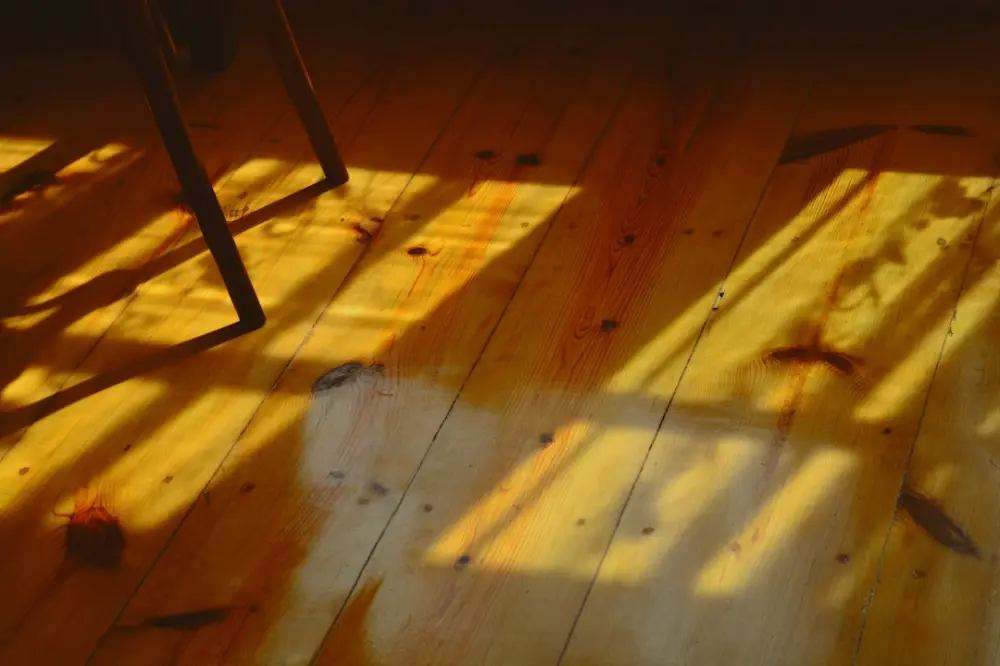
Documentary photography is a genre of photography used to chronicle significant historical events or everyday life through authentic, unstaged images. Its primary goal is to tell a truthful story or highlight social, cultural, or environmental issues, serving as a visual record that captures the nuances of the human experience and the world around us.
For the modern photographer, this practice shifts the focus away from technical perfection and toward the patience of observation. It requires a willingness to work within the constraints of a scene as it exists, rather than manipulating subjects or lighting to fit a preconceived aesthetic. By prioritizing the narrative over the setup, photographers can produce work that carries a weight of evidence and memory.
Defining Documentary Photography: Capturing Reality as It Is
The foundation of documentary photography is the rejection of the staged moment. Unlike commercial or editorial portraiture, where a photographer might direct a subject to turn toward a window or adjust their posture, the documentary approach demands that the photographer adapt to the subject. This often means spending long hours in a specific environment—such as a family kitchen, a local repair shop, or a public transit hub—waiting for the light and the action to align naturally. Following a Beginner Guide to observing light can help a photographer understand how to position themselves within these fixed environments without interfering with the scene.
In practice, this genre relies heavily on the use of wide-angle or normal focal lengths, such as the 35mm or 50mm prime lens. These lenses mimic the human field of vision, creating a sense of presence that telephoto lenses often lack. When a photographer uses a 35mm lens to document a community garden project, the resulting images feel intimate because the photographer had to be physically close to the participants. This proximity is a hallmark of the style; it suggests a level of trust between the person behind the camera and the people in front of it.
The technical execution in documentary work often involves a "set and forget" mentality regarding camera settings. Because moments happen quickly and cannot be repeated, photographers frequently use Aperture Priority mode or manual settings with Auto-ISO to ensure they can react to changing light as they move from an indoor workshop to an outdoor courtyard. The goal is to minimize the time spent looking at the back of the camera and maximize the time spent watching the unfolding story.
The Key Differences Between Documentary and Photojournalism
While the terms are often used interchangeably, documentary photography and photojournalism serve different masters. Photojournalism is typically driven by the news cycle. A photojournalist might be tasked with capturing a single, impactful image of a city council meeting or a sudden weather event to accompany a specific headline. The timeline is short, and the objective is to provide a visual summary of a current event. The National Press Photographers Association provides clear ethical guidelines that both fields share, but the application varies by duration and depth.
Documentary photography, by contrast, is usually a long-form pursuit. A documentary project might span months or even years. For example, a photographer documenting the decline of a specific manufacturing industry would not just photograph the closing of a factory; they would photograph the workers’ lives at home, the changing face of the local high street, and the gradual reclamation of industrial sites by nature. This allows for a more complex narrative that explores the "why" and "how" rather than just the "what."
Editing also differs between the two. In photojournalism, the edit is often done by a third party—a photo editor at a news desk—to fit a specific layout. In documentary work, the photographer often maintains control over the sequencing, choosing how images play off one another to build a thematic arc. A documentary series on urban housing might include a mix of wide environmental shots, tight details of peeling wallpaper, and candid portraits of residents, all working together to create a comprehensive record that a single news photo could not achieve.
Essential Elements of Narrative and Storytelling in Photography
Effective storytelling in documentary photography requires a structured approach to what we might call the "visual essay." To tell a complete story, a photographer needs a variety of shot types that provide context, emotion, and detail. A common framework includes the following:
- The Establishing Shot: Usually a wide shot that shows the environment. If you are documenting a traditional bakery, the establishing shot might show the storefront at dawn or the entire kitchen floor.
- The Relationship Shot: This captures interaction—between two people, or between a person and their tools. This is where the human element becomes clear.
- The Detail Shot: A close-up of something small that carries weight, such as flour-dusted hands or a handwritten recipe book. These shots provide texture and grounding.
- The Portrait: A candid or environmental portrait where the subject looks into the lens, acknowledging the camera while remaining in their natural setting.
Lighting plays a massive role in how these stories are perceived. Because documentary photographers rarely use flash—which can be intrusive and destroy the natural atmosphere—they must become experts at using available light. Understanding 10 Ambient Lighting Techniques Every Photographer Should Know is vital when shooting in challenging locations like dimly lit community centers or under harsh midday sun. The way light falls across a subject’s face can communicate fatigue, hope, or resilience without the need for a caption.
Sequencing is the final step of the narrative. The order in which images are viewed can change the meaning of the work. A series that starts with a close-up of an empty chair and ends with a wide shot of a crowded room tells a story of arrival and community. Reversing that order tells a story of departure and loss. The documentary photographer must think like a filmmaker, considering the rhythm and pace of the visual information they are presenting.
Documenting the Environment: Using Photography to Record a Changing World
Documentary photography is one of the most powerful tools available for recording environmental and topographical changes. This doesn't only refer to melting glaciers or deforestation; it applies to the changing face of our neighborhoods and the way human structures interact with the natural world. Modern photographers are increasingly using their cameras to create "re-photography" projects, where they return to the exact same location over several years to document the impact of urban sprawl or gentrification.
A practical example of this is the documentation of a local waterway. A photographer might spend a year capturing the river in different seasons, noting how the water levels change and how local wildlife or human recreation shifts in response. By using a consistent vantage point and consistent lighting conditions—perhaps shooting only during the blue hour—the photographer creates a scientific yet emotional record of that environment. This type of work requires immense discipline, as the photographer must resist the urge to find the most "beautiful" shot in favor of the most "accurate" one.
When documenting the built environment, the focus shifts to how light interacts with materials like concrete, glass, and steel. The way a shadow falls across a new housing development can highlight the density of the architecture or the lack of green space. These images serve as historical markers. Fifty years from now, a documentary series on a simple suburban street will be a valuable archive of how we lived, what we drove, and how we organized our private and public lives. The mundane details of today are the historical artifacts of tomorrow.
Creative Techniques and Documentary Photography
To succeed in documentary photography, you must develop a deep sensitivity to the light that already exists in a space. Whether you are working in the harsh fluorescent glow of a laundromat or the soft, directional light of a north-facing window, the quality of that light dictates the mood of your story. You aren't just looking for a subject; you are looking for how the light defines that subject within their environment. This requires a shift in mindset—from making a photo to finding a photo.
Practice by choosing a single location near your home and visiting it at different times of day. Observe how the shadows change the geometry of the space and how people move through it differently at 8:00 AM versus 6:00 PM. By limiting your gear and focusing on the available light, you force yourself to see the depth and tone that already exist in the world. This disciplined approach to seeing is what separates a snapshot from a documentary photograph. For more practical guides on mastering these skills, explore the resources at Ambee App — Ambient Light & Photography Tips, where the focus remains on the quiet art of seeing and recording the world as it truly appears.