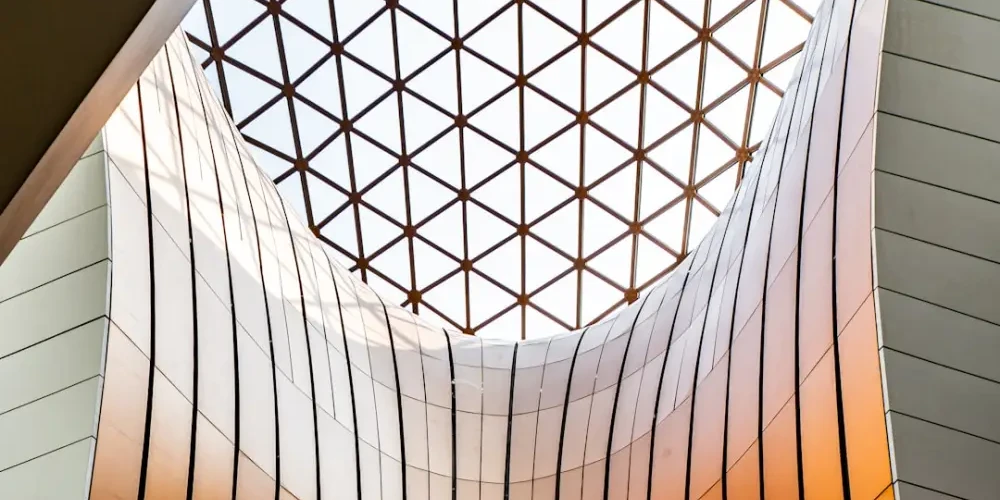
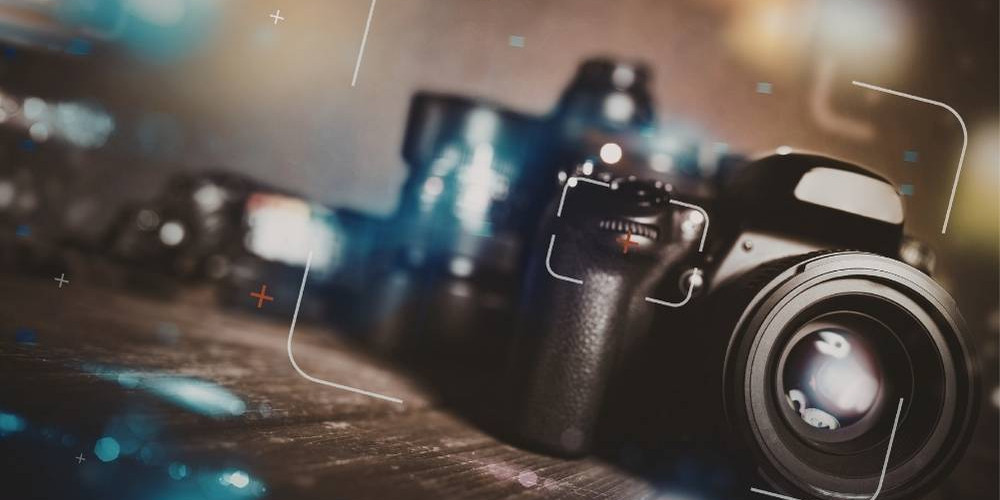
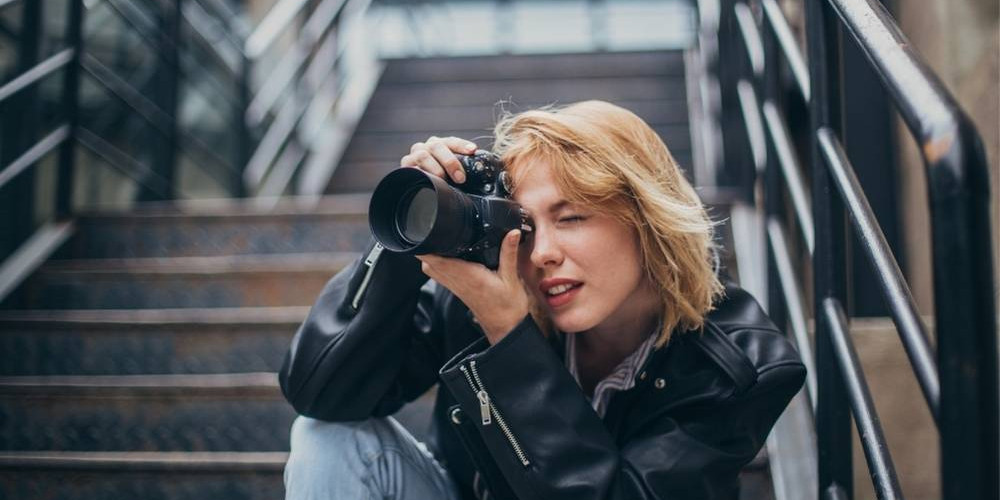
Ambient lighting plays a crucial role in photography, shaping mood, depth, and visual storytelling. Unlike artificial lighting setups, ambient light uses available light sources such as sunlight, streetlights, indoor lighting, and natural reflections. Learning how to work with ambient lighting helps photographers create more natural, atmospheric, and compelling images.
Whether you’re shooting portraits, landscapes, or everyday scenes, these ambient lighting techniques can significantly improve your photography.
Why Ambient Lighting Matters in Photography
Ambient lighting helps photographers:
- Capture natural-looking scenes
- Create mood and atmosphere
- Reduce reliance on flash
- Improve storytelling
- Work in real-world environments
Understanding available light makes photography more flexible and creative.
1. Use Golden Hour for Soft Natural Light
Golden hour occurs shortly after sunrise and before sunset. The light is warm, soft, and directional.
Benefits include:
- Soft shadows
- Warm tones
- Flattering portraits
- Balanced exposure
- Natural glow
This is one of the most popular ambient lighting techniques.
2. Take Advantage of Window Light Indoors
Window light creates soft, directional lighting perfect for indoor photography.
Tips:
- Position subject near window
- Use sheer curtains to diffuse light
- Shoot from different angles
- Avoid harsh midday light
Window lighting is ideal for portraits and product photography.
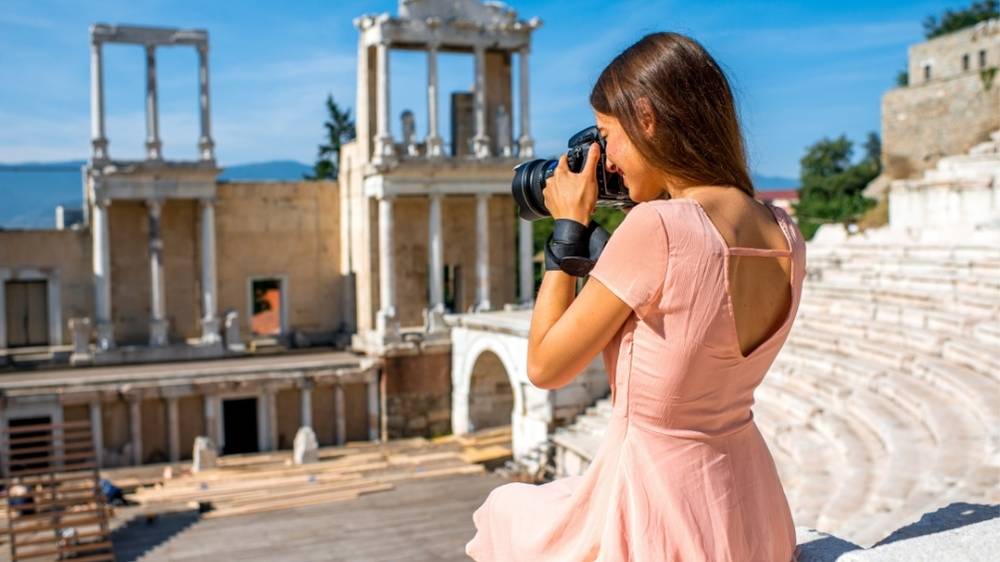
3. Shoot During Blue Hour for Atmospheric Scenes
Blue hour happens just before sunrise and after sunset. The sky turns deep blue, creating dramatic ambient lighting.
Great for:
- City photography
- Landscapes
- Street photography
- Architecture shots
- Night portraits
This lighting adds cinematic mood.
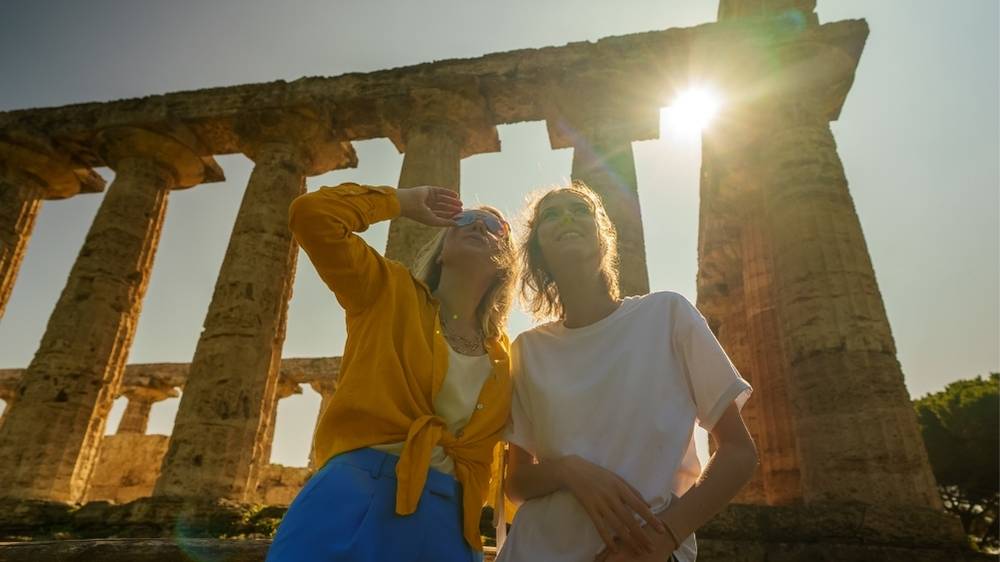
4. Use Backlighting for Depth and Glow
Backlighting occurs when the light source is behind your subject.
This technique creates:
- Silhouettes
- Rim lighting
- Lens flare effects
- Soft glowing edges
- Dramatic compositions
Adjust exposure to control highlights.
5. Work with Reflected Light
Ambient light often reflects off surfaces like walls, floors, or water.
You can use:
- White walls as natural reflectors
- Pavements for soft bounce
- Water reflections for creative shots
- Sand or snow for brighter scenes
Reflected light softens shadows naturally.
6. Embrace Overcast Skies for Soft Lighting
Cloudy days create natural diffused lighting.
Advantages:
- Even skin tones
- Reduced harsh shadows
- Balanced exposure
- Ideal portrait conditions
- Natural colour accuracy
Overcast lighting is excellent for outdoor photography.
7. Use Practical Lights in the Scene
Practical lights are visible light sources within your composition.
Examples:
- Lamps
- Streetlights
- Neon signs
- Candles
- Decorative lighting
These add mood and storytelling.
8. Shoot in Open Shade
Open shade provides soft ambient lighting without harsh sunlight.
Look for:
- Building shadows
- Tree shade
- Covered walkways
- Doorways
This reduces contrast and improves detail.
9. Balance Mixed Lighting Sources
Many environments include multiple light types.
Examples:
- Window light + indoor lights
- Streetlight + ambient sky
- Neon + practical lighting
Balancing white balance helps maintain consistency.
10. Adjust Camera Settings for Ambient Light
Ambient lighting requires proper exposure control.
Key adjustments:
- Increase ISO in low light
- Use wider aperture
- Slow shutter speed carefully
- Monitor highlights
- Shoot in RAW for flexibility
These settings help capture natural light effectively.
Common Mistakes When Using Ambient Lighting
Avoid these common issues:
- Using flash unnecessarily
- Ignoring white balance
- Shooting in harsh midday sun
- Underexposing low-light scenes
- Not adjusting ISO properly
Small adjustments improve results.
Tips to Improve Ambient Light Photography
To get better results:
- Observe light direction
- Shoot during golden and blue hour
- Use reflections creatively
- Experiment with shadows
- Move your subject instead of adding lights
Practice improves lighting awareness.
When to Use Ambient Lighting
Ambient lighting works well for:
- Portrait photography
- Lifestyle photography
- Street photography
- Landscape photography
- Indoor natural light shots
It helps create natural-looking images.
Final Thoughts
Ambient lighting is one of the most powerful tools in photography. By understanding how to use available light sources, photographers can create mood, depth, and professional-looking images without complex lighting setups.
These ambient lighting techniques help improve composition, storytelling, and image quality while keeping your workflow simple and natural.