

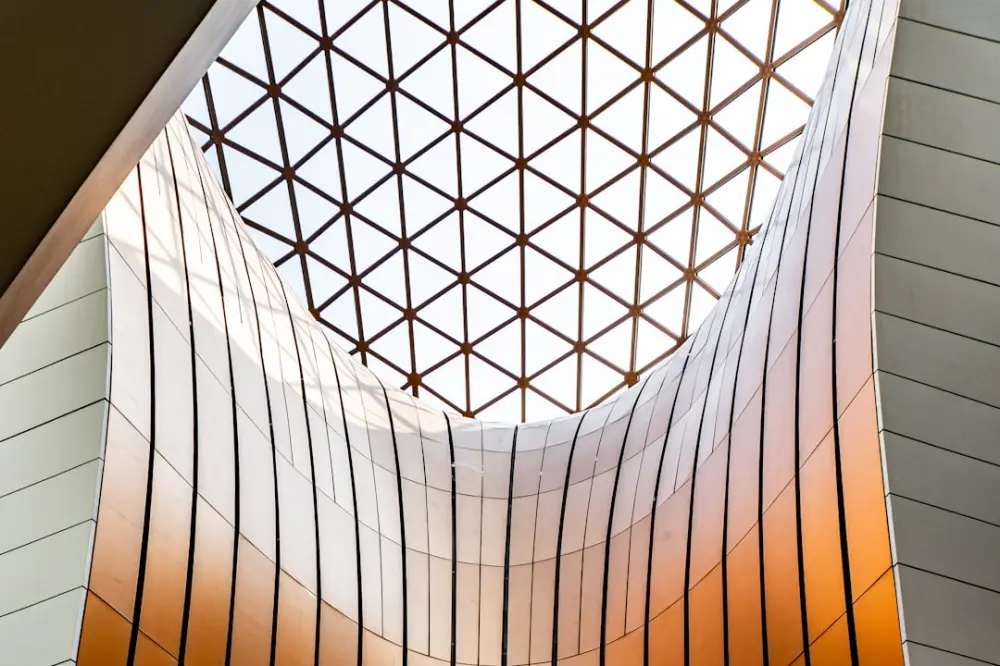
Why natural light finally changed the way we photograph modern buildings
The Shift Toward the Ephemeral: A New Lens on Modernism
For decades, architectural photography was a discipline of rigid control. It was an exercise in perfection—wide-angle lenses corrected for every vertical distortion, high-powered strobes fighting against the shadows, and a desire to present buildings as static, unyielding monuments. But lately, something has shifted. We have stopped trying to conquer the light and started learning to listen to it. The way we photograph modern buildings has fundamentally changed because we have finally embraced the unpredictable, transient beauty of natural light.
Modern photographers are moving beyond technical perfection to explore how ambient light creates depth and mood within the frame, making buildings feel more alive and three-dimensional.
This evolution isn’t just about better sensors or higher dynamic range; it is a philosophical pivot. We are moving away from the building as a product and toward the building as an experience. In the reflection of a glass facade at dawn or the long, reaching shadows of a concrete brutalist structure at dusk, we find a soul that artificial lighting could never replicate. We have realized that a building is not a finished object, but a canvas upon which the sun paints a different story every hour of the day.
The Dialogue Between Glass, Steel, and the Sky
Modern architecture, characterized by its transparency and reflective surfaces, demands a different kind of photographic patience. When we photograph a contemporary skyscraper, we aren't just capturing steel and glass; we are capturing the sky itself. The building becomes a mirror to the world around it. To photograph it with heavy artificial lighting is to silence that conversation.
By relying on ambient, natural light, photographers are now capturing the 'mood' of the environment. A building looks different in the hazy blue of a rainy afternoon than it does in the fiery orange of a summer sunset. This reliance on natural light has forced us to slow down. We no longer arrive, set up lights, and leave. We wait. We watch how the light crawls across a textured wall. We wait for that one moment when the sun hits a certain angle, turning a cold corridor into a cathedral of light.
Why Natural Light Defines Modern Structures
There are several reasons why the industry has moved toward this more organic approach to architectural imaging:
- Honesty in Design: Natural light reveals the true textures and colors of materials as they were meant to be seen by the inhabitants.
- Dynamic Storytelling: Shadows provide a sense of time and place, grounding a building in its specific geographic context.
- Emotional Resonance: Soft, ambient light creates a connection with the viewer that feels lived-in and human, rather than sterile and commercial.
- Sustainability Visuals: Modern architecture often focuses on 'green' design; using natural light in photography reflects the building's relationship with the environment.
Embracing the Imperfection of Shadow
Perhaps the most profound change in how we photograph modern buildings is our newfound appreciation for shadows. In the past, shadows were often seen as 'problems' to be filled with flash. Today, we understand that shadows provide the depth and volume that make a two-dimensional photograph feel three-dimensional. They define the geometry. They create the mystery.
When we allow a building to fall partially into darkness, we invite the viewer’s imagination to fill in the gaps. This reflective approach acknowledges that we don’t need to see every bolt and seam to understand the majesty of a structure. Sometimes, the silhouette of a cantilevered roof against a fading sky tells a more compelling story than a perfectly lit facade ever could. It is in these moments of high contrast and natural nuance that the architect’s vision truly breathes.
The Technical Grace of Ambient Light
While the philosophy has changed, so has the technique. Modern photographers are using the tools of ambient lighting to highlight specific architectural features without the harshness of traditional equipment. We are looking for:
- The Golden Hour: For warmth and long, dramatic shadows that emphasize horizontal lines.
- The Blue Hour: To capture the glow of interior lights against the deep cool tones of the exterior, showcasing transparency.
- Overcast Skies: For soft, even light that allows the intricate textures of stone and wood to shine without distracting highlights.
A Return to the Human Element
Ultimately, the reason natural light has changed architectural photography is that it brings the human element back into the frame. We don't live in buildings lit by 5000-watt strobes; we live in buildings lit by the sun. By capturing the way light spills through a window onto a polished floor, or how it creates a rhythmic pattern through a series of louvers, we are showing what it feels like to actually *be* there.
This reflective journey into natural light has taught us that the best architectural photography isn't about the building alone. It is about the relationship between the structure, the earth, and the light that connects them. As we continue to document the modern world, we do so with a deeper respect for the sun—the original architect of every scene. We no longer just take photos of buildings; we capture the atmosphere they inhabit, one ray of light at a time.

Beginner’s Guide to Ambient Lighting in Photography
Ambient lighting is one of the most important concepts for beginner photographers. It refers to the natural or available light already present in a scene, such as sunlight, indoor lighting, or streetlights. Learning how to use ambient light effectively helps you capture more natural, atmospheric, and visually appealing photos without relying on complex lighting equipment.
This beginner’s guide explains how ambient lighting works and how you can start using it to improve your photography.
What Is Ambient Lighting?
Ambient lighting is the existing light in your environment. This may come from:
- Sunlight
- Window light
- Overcast skies
- Indoor lamps
- Streetlights
- Reflected light from surfaces
Unlike flash or studio lighting, ambient light is already present in the scene.
Why Ambient Lighting Matters
Using ambient lighting helps photographers:
- Create natural-looking photos
- Capture realistic colours
- Build mood and atmosphere
- Add depth to images
- Work without extra equipment
It’s one of the easiest ways to improve photography.
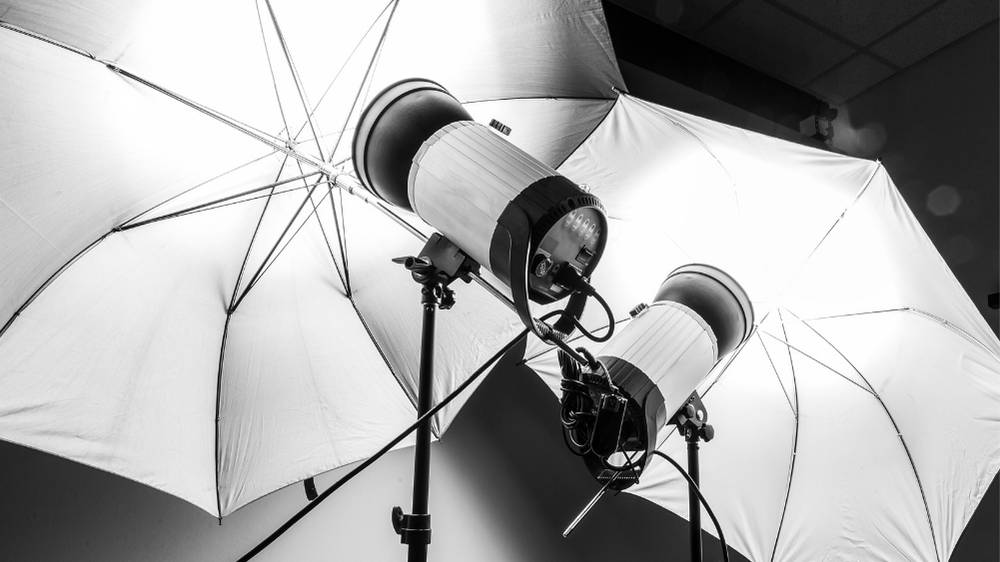
Types of Ambient Lighting
Understanding different types of ambient light helps beginners recognise good shooting conditions.
Natural Sunlight
Direct sunlight creates bright images with strong shadows. This works well for dramatic photography but may require careful exposure.
Soft Overcast Light
Cloudy conditions create diffused light with minimal shadows. This is ideal for portraits and evenly lit scenes.
Window Light
Indoor window light creates soft directional lighting. It’s great for portraits, products, and lifestyle photography.
Golden Hour Light
Golden hour provides warm, soft light shortly after sunrise or before sunset. This is one of the most flattering lighting conditions.
Blue Hour Light
Blue hour creates cool tones and atmospheric images. It works well for city and landscape photography.
How to Find Good Ambient Light
Beginners should start by observing light direction and quality.
Look for:
- Soft shadows
- Even lighting
- Warm or cool tones
- Light reflecting off surfaces
- Directional side lighting
Moving your subject slightly can improve lighting.
Understanding Light Direction
Light direction affects how your subject looks.
Front Lighting
- Even exposure
- Minimal shadows
- Clean and simple look
Side Lighting
- Adds depth and texture
- Creates shadows
- More dynamic results
Back Lighting
- Creates glow or silhouette
- Adds separation
- Dramatic mood
Experiment with angles.
Camera Settings for Ambient Lighting
To capture ambient light effectively, adjust your camera settings.
Aperture
Use wider apertures (lower f-number) to allow more light.
ISO
Increase ISO in low-light environments.
Shutter Speed
Use slower shutter speeds carefully to capture more light.
Balancing these settings helps control exposure.
Using Ambient Light Indoors
Indoor ambient lighting can create beautiful photos.
Tips:
- Shoot near windows
- Turn off mixed lighting sources
- Use light-coloured walls for reflection
- Avoid overhead harsh lights
- Use lamps for warm mood
Indoor ambient light can look very natural.
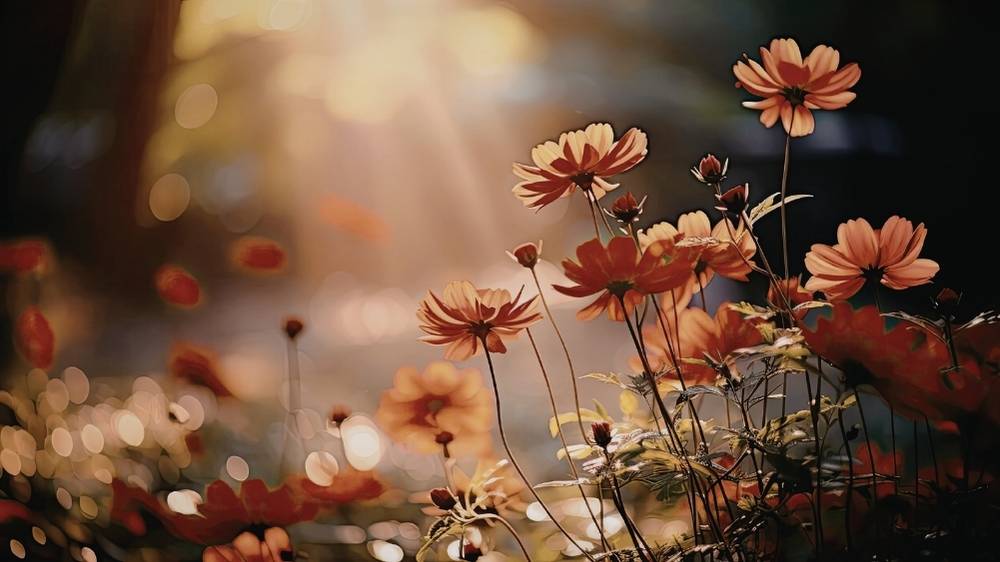
Using Ambient Light Outdoors
Outdoor lighting changes throughout the day.
Best times to shoot:
- Golden hour for warm light
- Early morning for soft light
- Late afternoon for depth
- Overcast days for even lighting
Avoid harsh midday sun when possible.
Common Beginner Mistakes
Avoid these common ambient lighting mistakes:
- Using flash unnecessarily
- Shooting in harsh midday light
- Ignoring light direction
- Underexposing low-light scenes
- Not adjusting ISO
Learning to observe light is key.
Quick Tips for Beginners
To improve ambient lighting photography:
- Move your subject instead of adding lights
- Shoot during golden hour
- Use shadows creatively
- Watch background brightness
- Practice in different lighting conditions
Practice helps build confidence.
When to Use Ambient Lighting
Ambient lighting works well for:
- Portrait photography
- Street photography
- Landscape photography
- Lifestyle photography
- Indoor natural light shots
It creates natural-looking results.
Final Thoughts
Ambient lighting is one of the easiest and most powerful tools for beginner photographers. By learning to recognise and use available light, you can create more natural, atmospheric, and visually appealing images.
With practice and observation, ambient lighting can dramatically improve your photography without requiring additional equipment.
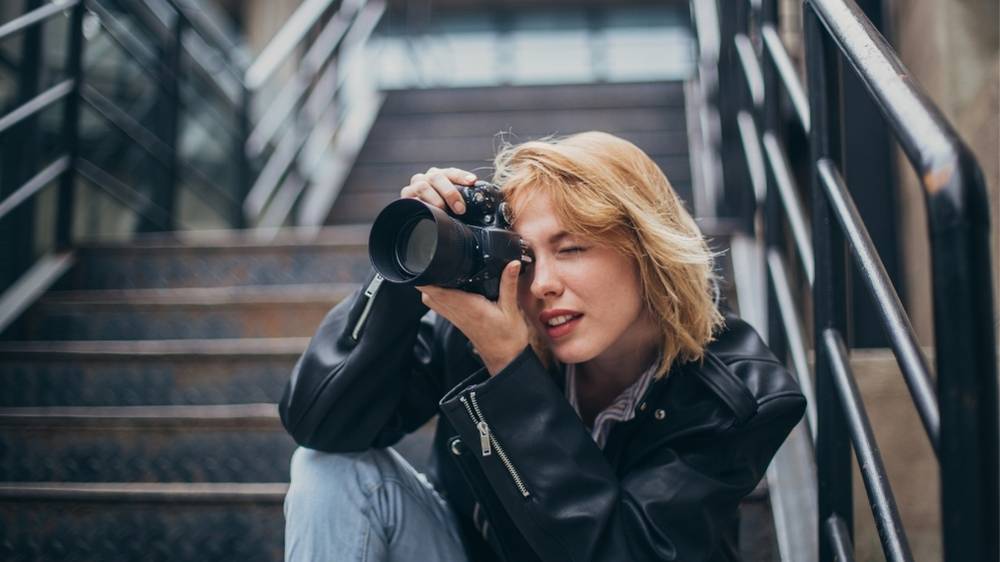
How Ambient Light Affects Mood and Depth in Photography
Ambient light is one of the most important elements in photography. It influences not only how a scene looks but also how it feels. The direction, colour, and intensity of available light can dramatically change mood, create depth, and shape visual storytelling. Understanding how ambient light works helps photographers capture more compelling and expressive images.
Whether shooting portraits, landscapes, or street photography, learning to work with ambient light improves both atmosphere and composition.
What Is Ambient Light in Photography?
Ambient light refers to the natural or existing light in a scene. This may include:
- Sunlight
- Window light
- Streetlights
- Indoor lighting
- Reflected light
- Overcast sky illumination
Unlike artificial setups, ambient lighting relies on what is already available.
How Ambient Light Creates Mood
Lighting plays a major role in emotional impact. Different types of ambient light create different moods.
Soft Light for Calm and Natural Mood
Soft ambient light creates gentle transitions and relaxed tones.
Examples include:
- Overcast skies
- Window light
- Open shade
- Golden hour light
This lighting works well for portraits and lifestyle photography.
Harsh Light for Dramatic Mood
Strong direct light creates contrast and intensity.
This produces:
- Deep shadows
- High contrast
- Bold highlights
- Dramatic compositions
Midday sunlight often creates this effect.
Warm Light for Emotional Atmosphere
Warm-toned ambient light creates inviting images.
Common sources:
- Sunrise and sunset
- Indoor lamps
- Candlelight
- Street lighting
Warm light enhances storytelling.
Cool Light for Cinematic Feel
Cool ambient light can create a moody or modern tone.
Examples:
- Blue hour
- Cloudy weather
- Night city lighting
- Shade environments
Cool tones often add atmosphere.
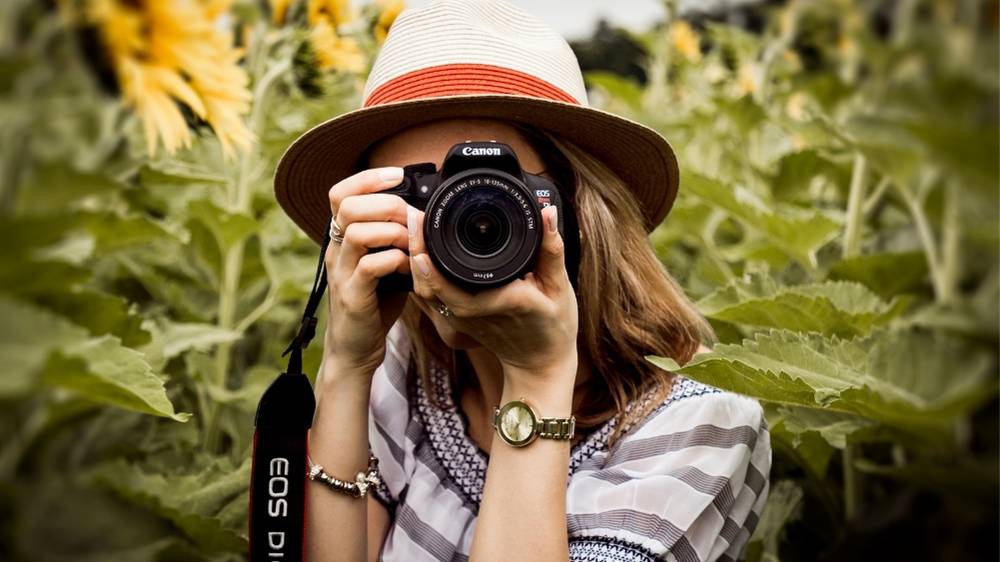
How Ambient Light Creates Depth
Depth makes images feel more three-dimensional. Ambient light helps create this naturally.
Directional Light Adds Dimension
Side lighting reveals texture and shape.
This creates:
- Facial contours
- Texture on surfaces
- Layered composition
- Visual separation
Directional light enhances depth.
Shadows Build Layering
Shadows help separate foreground and background.
This improves:
- Subject isolation
- Visual contrast
- Scene complexity
- Composition balance
Soft shadows create subtle depth.
Backlighting Adds Separation
Backlighting places light behind the subject.
This produces:
- Rim lighting
- Silhouettes
- Glow effects
- Background separation
Backlighting is powerful for depth.
Foreground and Background Lighting
When foreground and background have different lighting, depth increases.
Examples:
- Bright subject, darker background
- Lit background, shaded subject
- Mixed light layers
This technique adds dimension.
Using Ambient Light Direction
Understanding light direction improves composition.
Front Lighting
- Even exposure
- Reduced shadows
- Flat but clean look
Side Lighting
- Strong texture
- More depth
- Balanced shadows
Back Lighting
- Glow and silhouette
- Dramatic mood
- Separation from background
Changing position changes results.
Time of Day and Mood
Ambient light changes throughout the day.
Morning Light
- Soft and cool
- Gentle shadows
- Calm mood
Midday Light
- Strong contrast
- Sharp shadows
- Bold look
Golden Hour
- Warm tones
- Soft directional light
- Cinematic feel
Blue Hour
- Cool tones
- Low contrast
- Atmospheric scenes
Timing affects mood dramatically.
Indoor Ambient Light and Depth
Indoor lighting also affects mood and depth.
Examples:
- Window light for soft portraits
- Lamps for warm atmosphere
- Mixed lighting for cinematic scenes
- Shadowed corners for depth
Indoor ambient light can be very expressive.
Tips for Using Ambient Light Effectively
To improve mood and depth:
- Observe light direction
- Shoot during golden hour
- Use shadows creatively
- Position subject carefully
- Experiment with backlighting
Small adjustments create big changes.
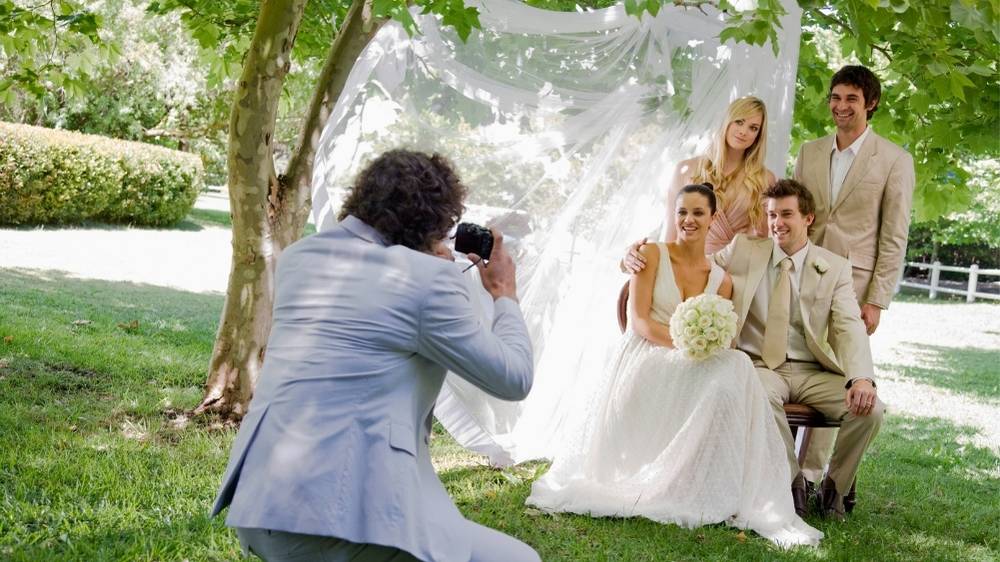
Common Mistakes to Avoid
Avoid these ambient lighting mistakes:
- Ignoring light direction
- Shooting only in harsh midday sun
- Overexposing highlights
- Not using shadows creatively
- Forgetting white balance
Understanding light improves results.
When to Focus on Ambient Light
Ambient lighting works best for:
- Portrait photography
- Street photography
- Landscape photography
- Lifestyle photography
- Indoor natural light scenes
It helps create natural and emotional images.
Final Thoughts
Ambient light plays a powerful role in shaping mood and depth in photography. By understanding how light direction, colour, and intensity affect a scene, photographers can create more dynamic and visually engaging images.
Learning to work with available light allows for more creative freedom and helps produce professional-looking photos without complex lighting setups.
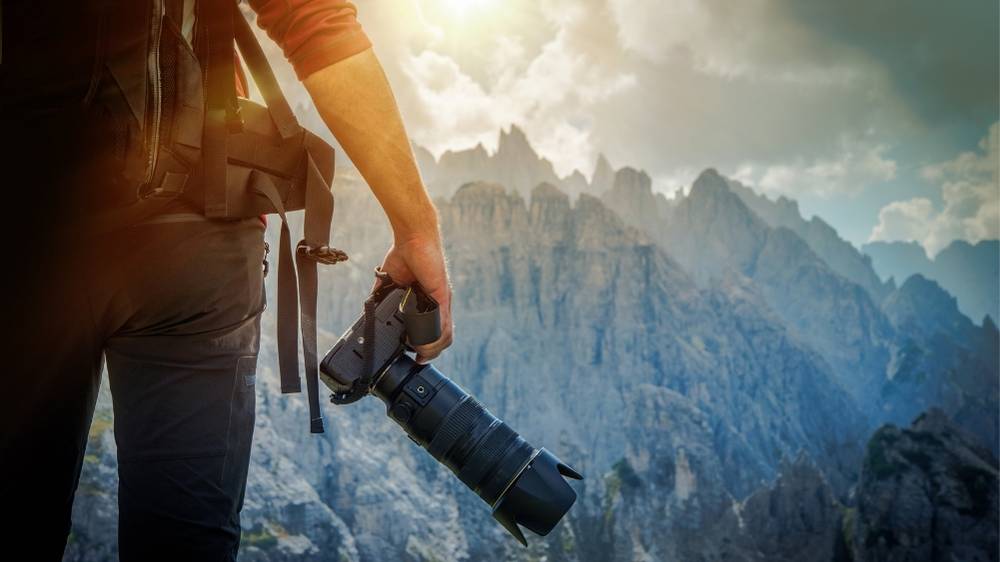
10 Ambient Lighting Techniques Every Photographer Should Know
Ambient lighting plays a crucial role in photography, shaping mood, depth, and visual storytelling. Unlike artificial lighting setups, ambient light uses available light sources such as sunlight, streetlights, indoor lighting, and natural reflections. Learning how to work with ambient lighting helps photographers create more natural, atmospheric, and compelling images.
Whether you're shooting portraits, landscapes, or everyday scenes, these ambient lighting techniques can significantly improve your photography.
Why Ambient Lighting Matters in Photography
Ambient lighting helps photographers:
- Capture natural-looking scenes
- Create mood and atmosphere
- Reduce reliance on flash
- Improve storytelling
- Work in real-world environments
Understanding available light makes photography more flexible and creative.
1. Use Golden Hour for Soft Natural Light
Golden hour occurs shortly after sunrise and before sunset. The light is warm, soft, and directional.
Benefits include:
- Soft shadows
- Warm tones
- Flattering portraits
- Balanced exposure
- Natural glow
This is one of the most popular ambient lighting techniques.
2. Take Advantage of Window Light Indoors
Window light creates soft, directional lighting perfect for indoor photography.
Tips:
- Position subject near window
- Use sheer curtains to diffuse light
- Shoot from different angles
- Avoid harsh midday light
Window lighting is ideal for portraits and product photography.
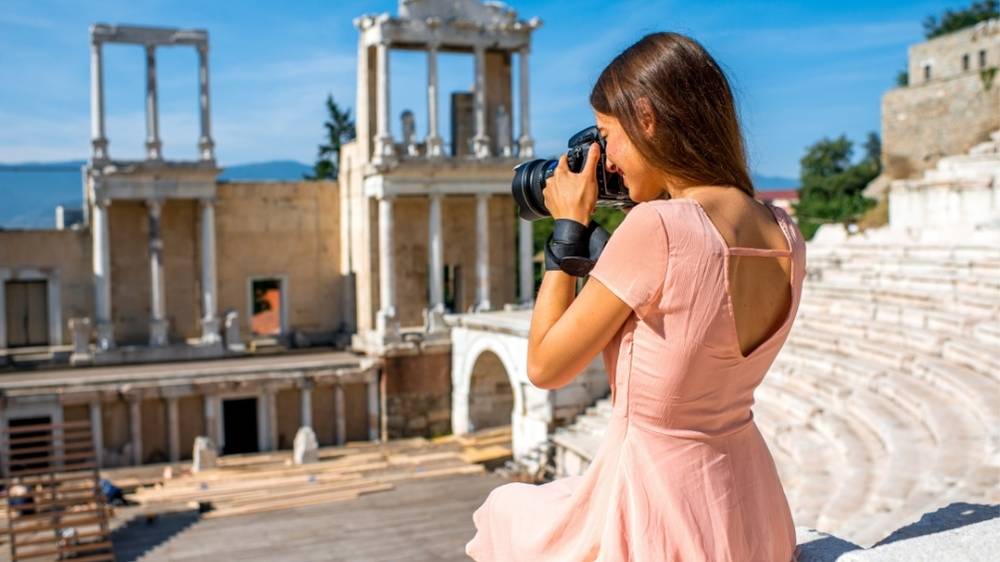
3. Shoot During Blue Hour for Atmospheric Scenes
Blue hour happens just before sunrise and after sunset. The sky turns deep blue, creating dramatic ambient lighting.
Great for:
- City photography
- Landscapes
- Street photography
- Architecture shots
- Night portraits
This lighting adds cinematic mood.
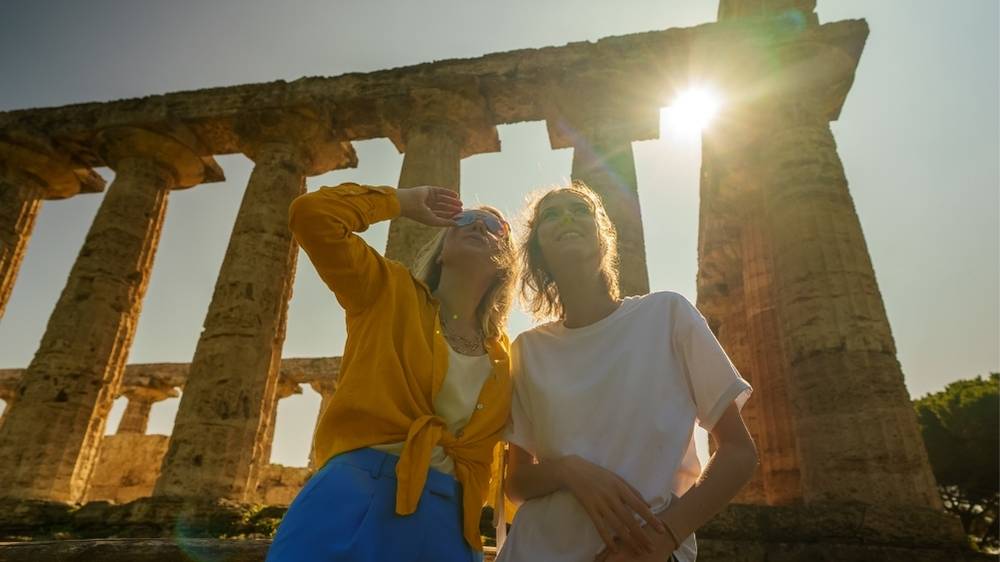
4. Use Backlighting for Depth and Glow
Backlighting occurs when the light source is behind your subject.
This technique creates:
- Silhouettes
- Rim lighting
- Lens flare effects
- Soft glowing edges
- Dramatic compositions
Adjust exposure to control highlights.
5. Work with Reflected Light
Ambient light often reflects off surfaces like walls, floors, or water.
You can use:
- White walls as natural reflectors
- Pavements for soft bounce
- Water reflections for creative shots
- Sand or snow for brighter scenes
Reflected light softens shadows naturally.
6. Embrace Overcast Skies for Soft Lighting
Cloudy days create natural diffused lighting.
Advantages:
- Even skin tones
- Reduced harsh shadows
- Balanced exposure
- Ideal portrait conditions
- Natural colour accuracy
Overcast lighting is excellent for outdoor photography.
7. Use Practical Lights in the Scene
Practical lights are visible light sources within your composition.
Examples:
- Lamps
- Streetlights
- Neon signs
- Candles
- Decorative lighting
These add mood and storytelling.
8. Shoot in Open Shade
Open shade provides soft ambient lighting without harsh sunlight.
Look for:
- Building shadows
- Tree shade
- Covered walkways
- Doorways
This reduces contrast and improves detail.
9. Balance Mixed Lighting Sources
Many environments include multiple light types.
Examples:
- Window light + indoor lights
- Streetlight + ambient sky
- Neon + practical lighting
Balancing white balance helps maintain consistency.
10. Adjust Camera Settings for Ambient Light
Ambient lighting requires proper exposure control.
Key adjustments:
- Increase ISO in low light
- Use wider aperture
- Slow shutter speed carefully
- Monitor highlights
- Shoot in RAW for flexibility
These settings help capture natural light effectively.
Common Mistakes When Using Ambient Lighting
Avoid these common issues:
- Using flash unnecessarily
- Ignoring white balance
- Shooting in harsh midday sun
- Underexposing low-light scenes
- Not adjusting ISO properly
Small adjustments improve results.
Tips to Improve Ambient Light Photography
To get better results:
- Observe light direction
- Shoot during golden and blue hour
- Use reflections creatively
- Experiment with shadows
- Move your subject instead of adding lights
Practice improves lighting awareness.
When to Use Ambient Lighting
Ambient lighting works well for:
- Portrait photography
- Lifestyle photography
- Street photography
- Landscape photography
- Indoor natural light shots
It helps create natural-looking images.
Final Thoughts
Ambient lighting is one of the most powerful tools in photography. By understanding how to use available light sources, photographers can create mood, depth, and professional-looking images without complex lighting setups.
These ambient lighting techniques help improve composition, storytelling, and image quality while keeping your workflow simple and natural.